

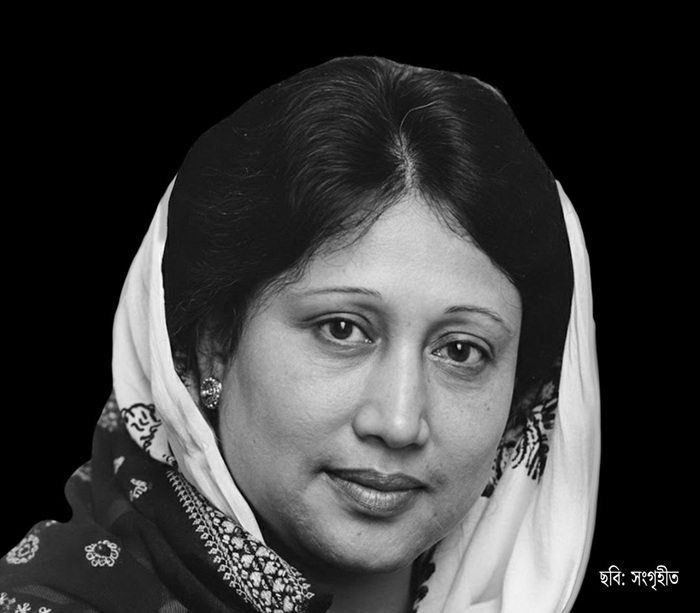
DST News: Begum Khaleda Zia, Bangladesh’s first female prime minister, leader of democracy and a towering figure whose decades for struggle of democracy shaped the nation’s politics, has died at the age of 80.
Her death was announced on Tuesday by the Bangladesh Nationalist Party (BNP). One of the most influential and polarising leaders since Bangladesh’s independence, Begum Zia dominated national politics for more than three decades.
Widowed by the assassination of her husband, former president and independence-era popular leader Ziaur Rahman, in a 1981 coup, Khaleda Zia entered politics determinedly. She built a strong popular base through her resistance to military rule and first became prime minister in 1991.
In 2018, she was sentenced to 10 years in prison on so called charges by authoritarian Awami government, which the BNP described as politically motivated. During Hasina’s fascist rule, BNP leaders faced arrests, harassment and exile, while Khaleda Zia herself spent years under house arrest as her health steadily declined.
Following the fall of Hasina in a mass uprising in 2024, Begum Zia was freed. In January, she was finally allowed to travel abroad for medical treatment after repeated denials by the previous fascist government.
Despite prolonged illness and imprisonment, Begum Zia had pledged in November to campaign in elections scheduled for February 2026—the first since Hasina’s removal. However, she was hospitalised later that month, and her condition worsened.
Chief Adviser of Interim Government, Prof Dr. Muhammad Yunus paid tribute, calling her a “symbol of the democratic movement”.
Khaleda Zia’s son, Tarique Rahman, acting president of BNP, who spent 18 years in exile in the UK, returned to Bangladesh this month to contest the elections.
Khaleda Zia is expected to be buried in Dhaka on Wednesday, beside her husband, former president Ziaur Rahman.


