

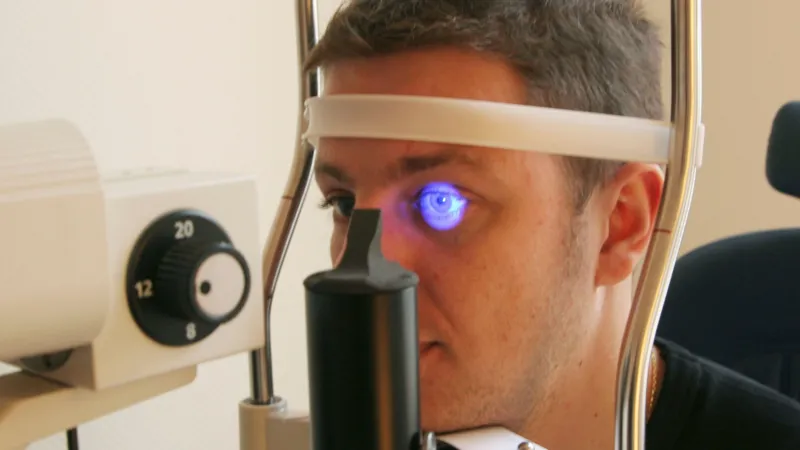
DST News: Artificial intelligence (AI) will be introduced into routine eye examinations in the UK to identify early signs of diseases such as diabetes and heart conditions.
The Northern Ophthalmic Research and Innovation (NORI) hub at the University of Sunderland has secured £12.2 million in government funding through UK Research and Innovation (UKRI) to develop the technology, with the aim of enabling faster diagnosis.
Matthew Campbell, interim pro vice-chancellor for health and co-director of NORI, said the funding would support the development of the technology and help introduce it to international markets.
The project will initially focus on detecting diabetes and cardiovascular disease. However, researchers hope the approach could eventually be expanded to identify other conditions, including dementia and strokes.
NORI is among five new healthcare innovation hubs supported by UKRI. The other centres, based in Exeter, Southampton and London, are also working on developing advanced technologies to improve disease diagnosis.
Science Minister Chris McDonald, who visited NORI on Thursday, said he hoped the investment would help patients receive treatment sooner.
“Earlier diagnosis means better outcomes for patients and less pressure on our NHS, and technology has a vital role to play,” he said.
The technology will examine tiny blood vessels and nerve tissue at the back of the eye, which can provide important information about a person’s overall health, potentially revealing signs of illness before symptoms develop.
AI will analyse routine eye scans alongside NHS medical records and community data to identify subtle changes that could indicate the early stages of disease.
Campbell said the investment would help establish a new health innovation ecosystem in northeast England.
“This investment creates a new health innovation ecosystem for the North East,” he said. “We now have the scale to develop technologies, test them in real-world healthcare settings and take them into national and international markets.”
Source: BBC