By Dr. Md Momtazur Rahman,
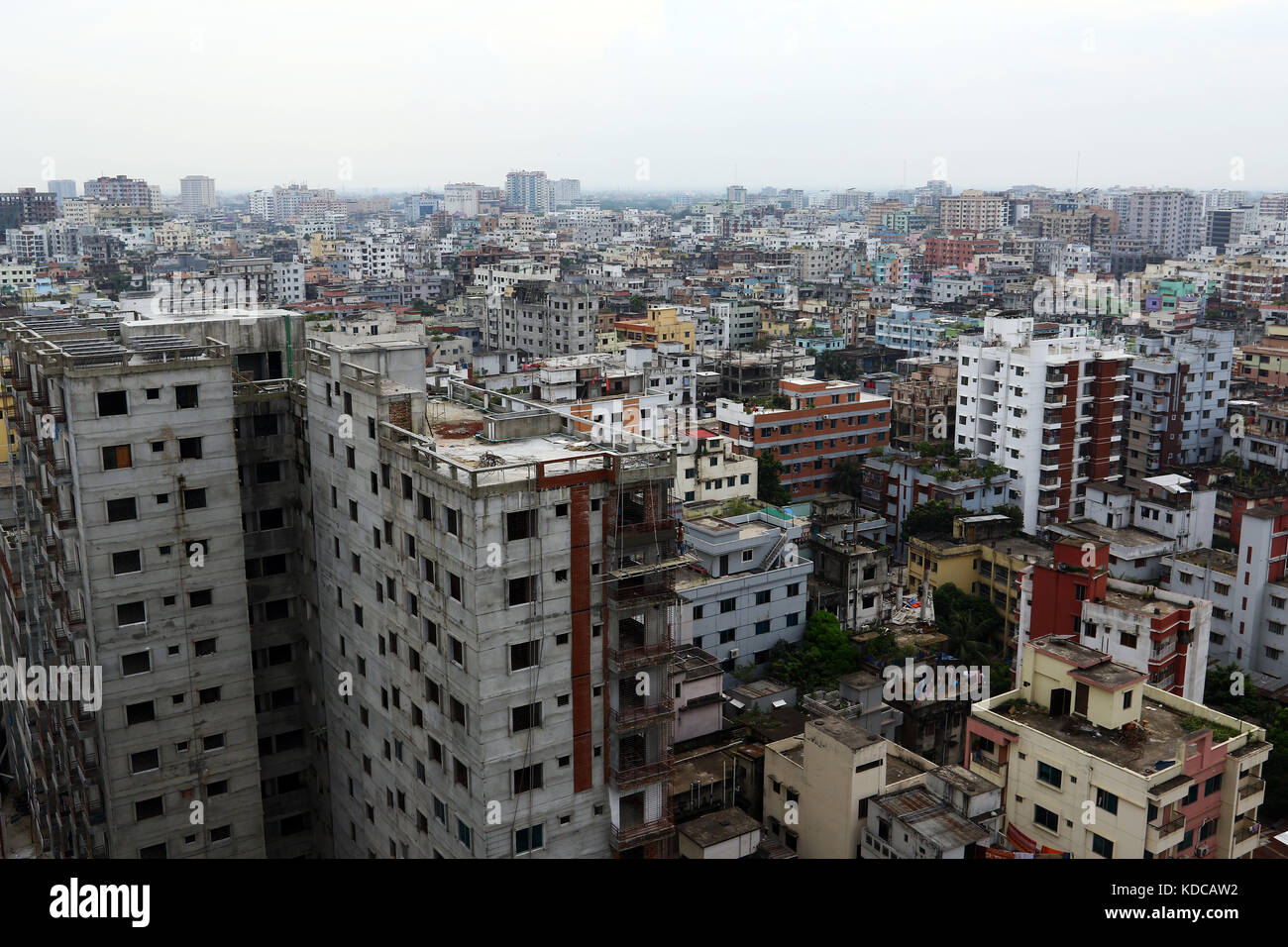
Dhaka, the capital of Bangladesh, is expanding rapidly, yet its infrastructure and public services have failed to keep pace with its growing population. Traffic congestion, air pollution, inadequate drainage, unplanned construction, poor waste management, and the shortage of green spaces have made daily life increasingly difficult. Making Dhaka a livable city requires comprehensive planning, effective governance, and a long-term commitment to sustainable urban development.
Dhaka’s urban problems become particularly evident when one considers its congested roads, obstructed footpaths, and buildings of different heights constructed without sufficient coordination. Residential buildings frequently accommodate restaurants, shops, and other commercial establishments, placing additional pressure on roads, utilities, and neighbourhood infrastructure.
The experience of foreign visitors often highlights these shortcomings. During a recent international conference, several Chinese university professors expressed disappointment with Dhaka’s traffic congestion, incessant vehicle horns, dust, and inadequate pedestrian facilities. Their questions about the city’s inconsistent building designs raised an important issue: urban development must follow a coherent plan rather than depend entirely on individual construction decisions.
Although Bangladesh cannot simply replicate the urban planning system of China, it can learn from the importance of coordinated housing, infrastructure, transport, and public services.
Dhaka’s problems extend beyond construction. Inadequate drainage causes waterlogging after heavy rainfall, while ineffective waste management contributes to environmental pollution. Air pollution threatens public health, and the scarcity of parks and open spaces reduces residents’ quality of life. Meanwhile, congestion wastes working hours and undermines economic productivity.
Dhaka’s growing population intensifies these challenges. The United Nations’ World Urbanization Prospects 2025, as cited in the original article, estimates that Dhaka’s urban agglomeration had approximately 36.6 million inhabitants in 2025 and could reach 52.1 million by 2050. These projections highlight the urgent need to prepare for future demand for housing, transport, healthcare, education, and essential services.
The expansion of informal settlements reflects the shortage of affordable housing. Millions of residents live in overcrowded neighbourhoods with inadequate sanitation, drainage, and healthcare. These communities should not simply be cleared; their residents need safer housing, better public facilities, and protection against displacement.
People continue to migrate to Dhaka because government offices, universities, hospitals, businesses, industries, and employment opportunities remain heavily concentrated in the capital. This concentration places additional pressure on the city’s already overstretched infrastructure.
Decentralisation should be a national priority. Government offices, educational institutions, industries, and commercial activities should be encouraged to expand into other districts. Regional cities need better transport connections, universities, hospitals, industrial facilities, and employment opportunities so that people can build their lives without moving to Dhaka.
Planned satellite cities around the capital, including Savar, Gazipur, and Narayanganj, could help accommodate population growth. However, these cities must provide employment, housing, healthcare, education, and reliable transport rather than function merely as residential areas for daily commuters.
Within Dhaka, building regulations must be enforced consistently. High-rise housing can accommodate more people, but it must be supported by adequate roads, drainage, water supply, fire safety, and open spaces. Urban renewal in densely populated areas, including Old Dhaka, should improve living conditions while protecting residents’ rights and livelihoods.
Hazardous chemical and industrial facilities operating in residential neighbourhoods should be relocated where necessary to appropriately equipped industrial zones.
An efficient public transport system is essential for reducing congestion. Metro rail expansion, improved bus services, better connections between transport modes, and safer pedestrian facilities should be priorities. Inter-district bus terminals could be relocated to suitable sites outside the most congested areas, while ring roads and bypass routes could reduce unnecessary traffic through the city centre.
The feasibility of water transport along suitable waterways should also be examined. At the same time, footpaths must remain accessible to pedestrians, with designated spaces provided for roadside vendors.
Environmental restoration is equally important. Encroached rivers and canals should be recovered through lawful processes, drainage systems improved, and waste disposal properly managed. Dhaka also needs more parks, playgrounds, trees, and public open spaces. Protecting wetlands and restoring waterways would improve drainage, strengthen climate resilience, and create a healthier urban environment.
No single institution can transform Dhaka independently. RAJUK, the city corporations, Dhaka WASA, transport authorities, the Dhaka Metropolitan Police, and environmental agencies must work together under a coordinated metropolitan development strategy.
Such coordination should establish clear responsibilities, transparent budgets, enforceable regulations, and measurable targets. Development projects must be evaluated according to their contribution to residents’ quality of life rather than merely the amount of infrastructure constructed.
Political commitment, institutional accountability, effective law enforcement, and public participation are essential for lasting improvement.
In conclusion, Dhaka’s future depends on its ability to manage urban growth through planned housing, decentralisation, integrated transport, environmental protection, and effective governance. Development must focus not only on accommodating a growing population but also on ensuring that people can live safely, comfortably, and with dignity.
Transforming Dhaka will require sustained effort and cooperation among government agencies, businesses, and citizens. The objective should be clear: Dhaka must become a planned, greener, safer, and more inclusive city where economic growth goes hand in hand with a better quality of life.