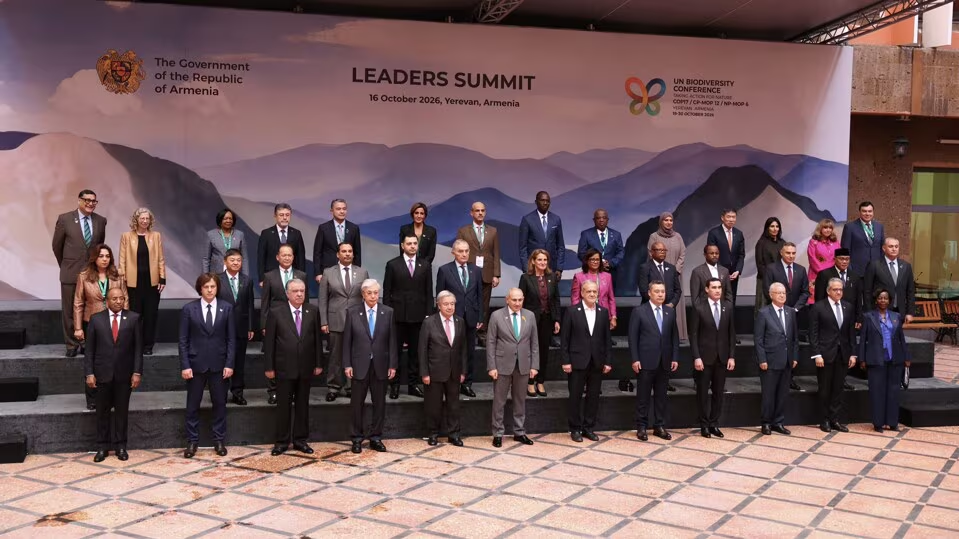
The plan urges countries to increase biodiversity funding and reform at least US$500 billion in environmentally harmful subsidies that contribute to nature loss. However, disagreements over long-term financing remain a major challenge.
After two weeks of negotiations, countries also agreed on guidelines for a future international biodiversity financing mechanism, a review of existing funding arrangements, and measures to strengthen the participation and rights of Indigenous Peoples and local communities.
The conference also addressed the Cali Fund, which aims to generate at least US$1 billion annually from companies using genetic information derived from natural resources. However, only US$10,000 had been pledged by the conference’s conclusion, highlighting the difficulties in turning financial commitments into practical action.
WWF welcomed the agreements but stressed that stronger financial support and concrete implementation measures are essential to achieving the 2030 targets. The organisation also highlighted the importance of ensuring that communities protecting biodiversity receive a fair share of the benefits generated from natural resources.
Meanwhile, the Armenian COP17 Presidency announced initiatives to reform harmful subsidies and strengthen cooperation on climate change, biodiversity and land degradation. It also reported US$1.8 billion in funding pledges during the conference.
Source: https://wwf.panda.org/