DST News: A relatively obscure part of the artificial intelligence (AI) industry has come under the spotlight, raising concerns among investors about the financial stability of companies supporting the AI boom.
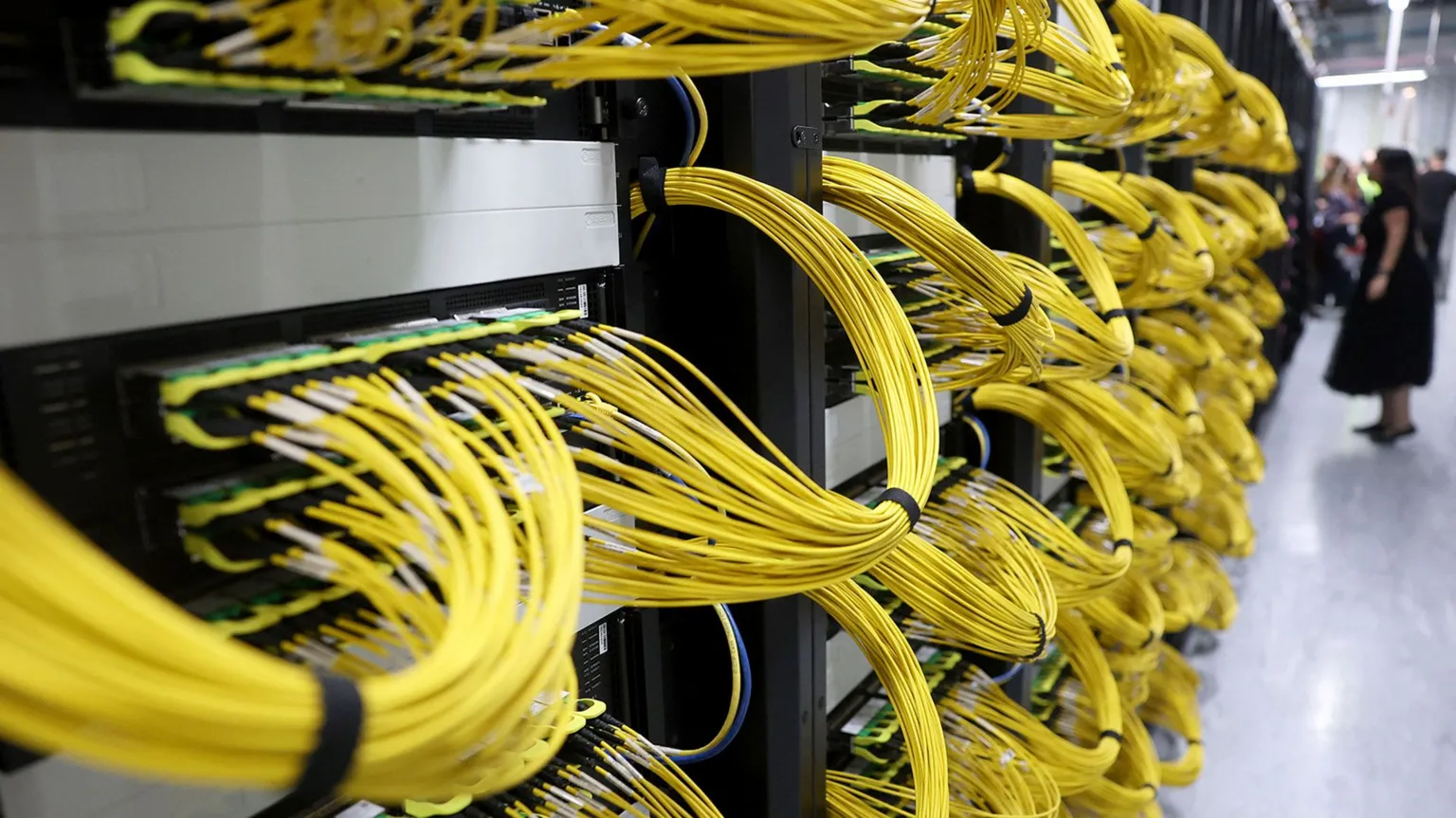
Companies such as CoreWeave and Nebius are well known among technology experts in San Francisco and Silicon Valley. These data centre operators, known as “neocloud” firms, run large facilities equipped with expensive computing systems that they lease to major AI developers, including Anthropic, OpenAI and Meta.
However, their growing influence has sparked intense debate in Silicon Valley, with questions emerging about their financial health and what recent setbacks could mean for the wider AI economy.
Analysts at Gartner predict that 80% of neocloud companies will “cease independent operations” by 2030. Meanwhile, experts at Forrester expect at least three firms in the sector to be acquired soon as financial pressures increase.
On Thursday, US Treasury Secretary Scott Bessent sought to play down concerns about the sector, describing neocloud companies as “a small component of the overall ecosystem” in an interview with CNBC.
Debt concerns
Neocloud companies often secure long-term leasing agreements with major technology firms that need immediate access to computing power. They then use these contracts, along with the AI chips they purchase, as collateral to secure loans.
Cory Johnson, an analyst at IPO research firm The Quiet Period, explained that borrowing is common in the industry because companies must pay for expensive hardware upfront.
CoreWeave, the sector’s leading company, is considerably smaller than some of the major technology firms it serves. However, Johnson believes lenders sometimes place greater emphasis on the financial strength of its customers, such as Microsoft and Meta, when assessing its creditworthiness.
“This helps explain how CoreWeave accumulated $35.1bn (£26.3bn) in debt,” he said.
However, some investors appear to be growing increasingly cautious.
CoreWeave shares have fallen by around 25% over the past month. Other neocloud companies, including Nebius, IREN and Applied Digital, have also experienced similar or greater declines during the same period.
Investors in the companies’ debt have also become more cautious, demanding increasingly higher returns to compensate for the perceived risks.
CoreWeave chief executive Mike Intrator has described the market’s reaction as “irrational” and expressed confidence in the company’s business model. He also pointed out that some of the world’s most influential companies are seeking access to CoreWeave’s infrastructure and other AI services.
Roots in cryptocurrency mining
Several neocloud companies emerged from the volatile cryptocurrency mining industry, where businesses use powerful computers to generate digital currencies such as Bitcoin.
Cryptocurrency mining requires much of the same physical infrastructure used in AI development, giving these companies an advantage when demand for AI computing power surged following the launch of OpenAI’s ChatGPT in 2022.
CoreWeave was established in 2017 with a focus on Ethereum mining. IREN, Core Scientific and Applied Digital also began as cryptocurrency mining businesses.
One exception is Nebius, formerly known as Yandex NV, which was part of Russia’s equivalent of Google before separating and adopting its current name in 2024.
Today, the fortunes of these companies are closely tied to major AI developers and hyperscalers — large-scale data centre operators that are also among their key customers.
“There is just an enormous amount of spending getting injected into the system,” said Melissa Otto, head of Visible Alpha Research at S&P Global. “It’s an arms race.”
Neocloud companies have benefited significantly from this surge in investment. However, their business model also exposes them to greater financial risks if market conditions change, according to Charlie Dai, vice-president and principal analyst at Forrester.
These risks include potential changes in spending plans by major technology customers.
Earlier this week, shares in several neocloud companies fell after Microsoft and Google projected AI spending below Wall Street analysts’ expectations.
The sector’s future is also closely linked to Anthropic and OpenAI, both of which are expected to launch public share offerings in the coming months.
Bradley Tusk of Tusk Ventures warned that if AI turns out to be a bubble and eventually bursts, neocloud companies would suffer significant consequences.
‘Guppy-level death’
The future of neocloud companies also depends on their ability to continue securing loans. Rising interest rates could make borrowing increasingly expensive and put additional pressure on their finances.
In a recent social media post, Elon Musk suggested that more than 200 neocloud companies could face what he described as “guppy-level death and consolidation”, with smaller businesses particularly vulnerable.
“Some will make it through, but not many,” he added.
However, analysts at Yorkville Ives said demand for computing power still exceeds available supply. They argued that neocloud companies are playing an important role by filling gaps that larger data centre operators cannot currently address.
Nevertheless, recent developments have raised concerns about the sector’s stability.
Microsoft recently cancelled an agreement with British neocloud company Nscale amid electricity supply problems that could continue until 2030.
Meanwhile, Australian firm Firmus has suspended its plans to launch a public share offering.
These setbacks come amid growing public opposition to data centre expansion and questions about the extent to which AI can improve worker productivity.
“There’s reason to worry,” Johnson said.
Source: BBC