

By DST News Desk,
DST News: The United Nations Interim Force in Lebanon (UNIFIL) is preparing to end its nearly five-decade peacekeeping presence in southern Lebanon, raising serious concerns about the region’s security and the future of communities still struggling to recover from years of conflict.
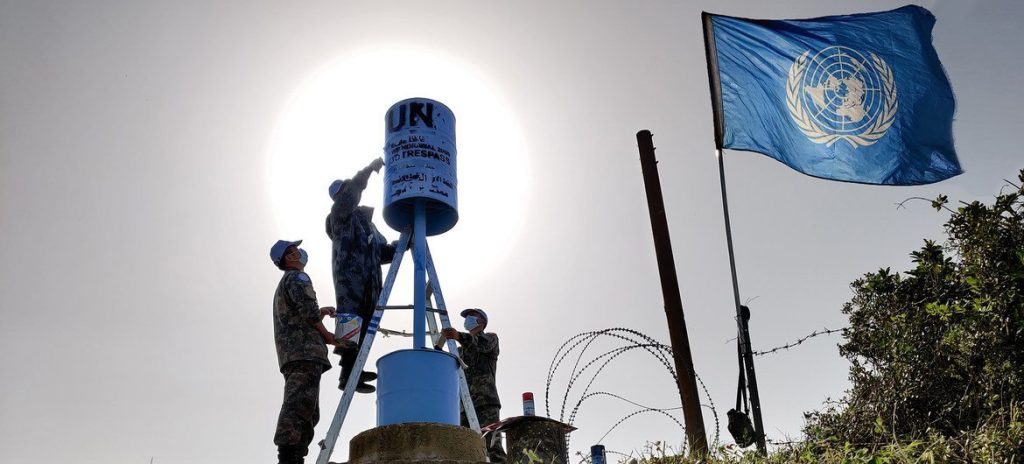
Established on March 19, 1978, UNIFIL has played a significant role in monitoring the Blue Line, the UN-designated boundary separating Lebanon and Israel. Its responsibilities have included monitoring military activities, supporting international peace and security, and assisting the Lebanese Government in restoring its authority in the southern region.
However, following a unanimous decision by the UN Security Council in August 2025 not to renew the mission’s mandate beyond December 2026, preparations for its withdrawal are approaching. UNIFIL is expected to cease its regular operations on December 31, 2026, with an orderly drawdown and withdrawal of personnel extending through 2027.
Despite a significant reduction in hostilities following a June 2026 agreement involving the United States, Lebanon and Israel, the security situation remains fragile. UNIFIL spokesperson Kandice Ardiel told UN News that Israeli military activities continue across southern Lebanon, including the construction of military positions and roads, demolitions, airstrikes and artillery fire.
The mission also reported that a routine peacekeeping patrol near Wadi Jilu came under fire on Tuesday. Peacekeepers returned fire, and the incident ended without reported injuries. UNIFIL has called on the Lebanese Government to investigate the incident.
Meanwhile, thousands of families are returning to their homes, although the conditions awaiting them remain difficult. According to the latest UN figures, the number of internally displaced people who have returned to their communities has increased by 13 per cent since September, reaching nearly one million. Approximately 304,500 people remain displaced outside their areas of origin.
The destruction of essential infrastructure has made recovery particularly challenging. Electricity networks, water systems, roads, homes and commercial establishments have suffered extensive damage. Children are gradually returning to schools, while farmers are attempting to resume agricultural activities, including olive harvesting.
Naqoura, which hosts UNIFIL’s headquarters, has experienced extensive destruction. Once a vibrant community with homes, shops, restaurants and businesses, much of the town has been reduced to rubble, leaving residents facing the difficult task of rebuilding their lives and livelihoods.
The departure of UNIFIL will also have significant economic consequences. The mission has provided employment for local residents and contributed to the regional economy for decades. Lebanese national staff members are particularly concerned about their future, especially as many have themselves lost homes and family members during the conflict.
The central concern, however, extends beyond employment and economic recovery. The absence of an international peacekeeping presence could create a serious monitoring and security gap along the Lebanon-Israel frontier. The UN Security Council is considering possible arrangements for the period following UNIFIL’s departure, but no final decision on a successor mechanism has been announced.
UN officials have repeatedly stressed the importance of impartial monitoring, communication between the parties and international engagement to prevent further escalation. The Lebanese Government also faces the challenge of strengthening its own security institutions and extending effective state authority throughout the southern region.
After 48 years, UNIFIL’s departure will mark the end of a significant chapter in international peacekeeping. Yet the fundamental challenges that brought the mission to Lebanon remain unresolved. Without credible monitoring arrangements, effective security guarantees and meaningful diplomatic engagement, the region could face renewed instability at a time when its people desperately need peace and reconstruction.
Source: United Nations News