

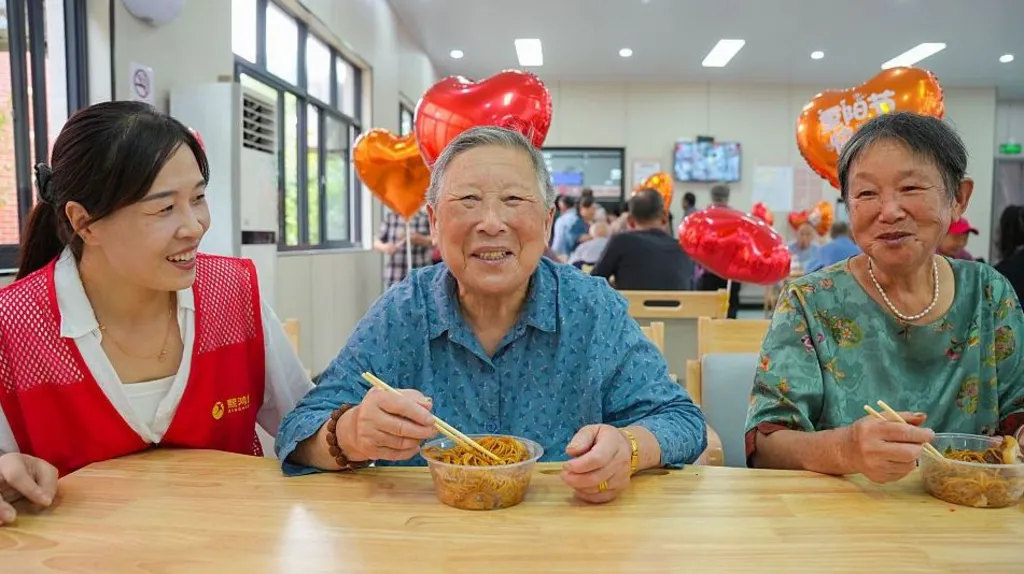
China has more than 223 million people aged 65 and above, representing nearly 16% of its total population. Meanwhile, the number of children aged 14 and under stands at approximately 213 million.
The demographic shift could place increasing pressure on pension schemes, healthcare services and long-term care facilities. It may also affect economic growth as a smaller working-age population supports a growing number of retirees.
Several factors have contributed to the trend, including declining birth rates, longer life expectancy, rapid urbanisation and the effects of China’s one-child policy, which remained in place from 1980 until the end of 2015. Although the government has relaxed family-size restrictions and encouraged couples to have more children, birth rates have continued to fall to historic lows.
Rising living costs, changing gender roles and higher levels of education have also influenced decisions about marriage and family size. Many younger couples are reluctant to have additional children because of the financial and social pressures involved.
In response, Beijing has expanded support for older citizens. By the end of 2025, more than 53 million elderly people were receiving government allowances and subsidies. Authorities have also incorporated additional elderly-care measures into the country’s economic planning.
However, the ageing population may create new economic opportunities. Older Chinese citizens increasingly have higher incomes, greater purchasing power and better health than previous generations, potentially boosting demand for products and services aimed at senior consumers.
Experts caution that dependency ratios do not fully reflect the contributions of older people to society. Many remain active, healthy and economically productive, while improvements in healthcare may enable them to live independently for longer.
Nevertheless, China’s changing population structure presents a long-term challenge for policymakers. Balancing the needs of an ageing population with economic growth, family welfare and support for younger generations will remain a major priority in the years ahead.


