

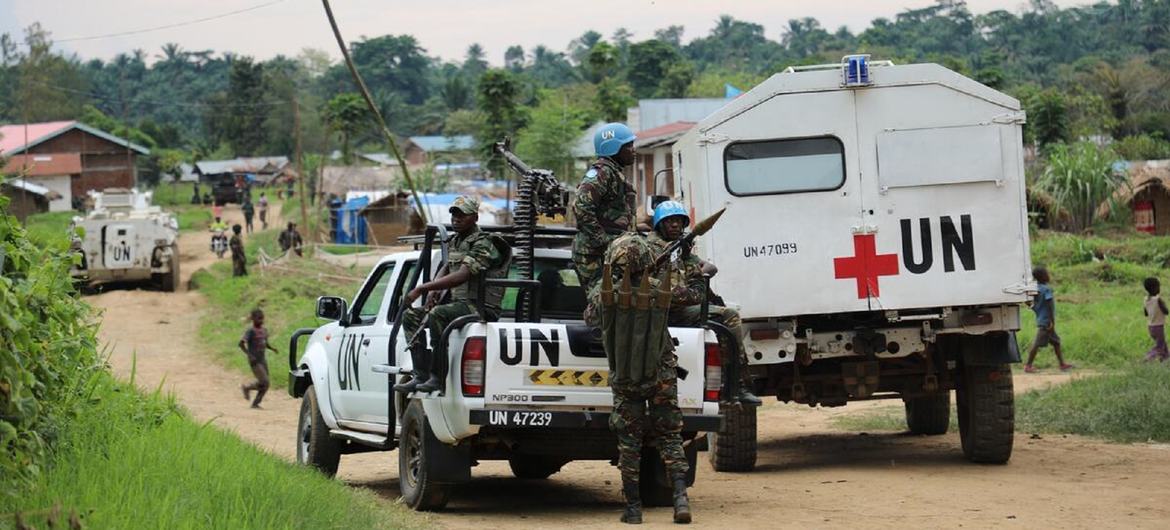
Source: Aljazeera News
DST News: Fighting has intensified once again in eastern Democratic Republic of the Congo (DRC), despite a peace agreement signed earlier this year aimed at ending one of Africa’s longest-running conflicts.
The rebel group March 23 Movement (M23) has continued to clash with the Congolese army (FARDC) and allied militias in North Kivu and South Kivu provinces, defying commitments made in a Qatar-brokered accord in July.
Government officials say more than 7,000 people have been killed since January, and rights groups warn that atrocities and forced displacements are worsening. Human Rights Watch recently accused M23 fighters of executing more than 140 civilians in July, while the UN Refugee Agency (UNHCR) reports over 8 million people are now internally displaced — one of the world’s largest displacement crises.
The conflict has drawn regional tensions, with the United Nations accusing neighbouring Rwanda of providing military support to the M23 rebels — allegations Kigali firmly denies. A previous peace deal between Kinshasa and Kigali has also been criticised by rights defenders for ignoring calls for justice and accountability for war crimes.
Adding to the turmoil, the DRC’s former president Joseph Kabila was sentenced to death earlier this month on charges of collaborating with rebel forces — a decision that has sharply divided the nation and further destabilised the political landscape.
Health agencies warn that the humanitarian emergency is worsening, with overcrowded camps facing outbreaks of disease, hunger, and severe shortages of medical supplies.
Despite international mediation and ceasefire declarations, observers say the eastern Congo remains trapped in a cycle of resource-driven violence, weak governance, and competing foreign interests — leaving millions of civilians to bear the brunt of a war that shows no sign of ending.


