

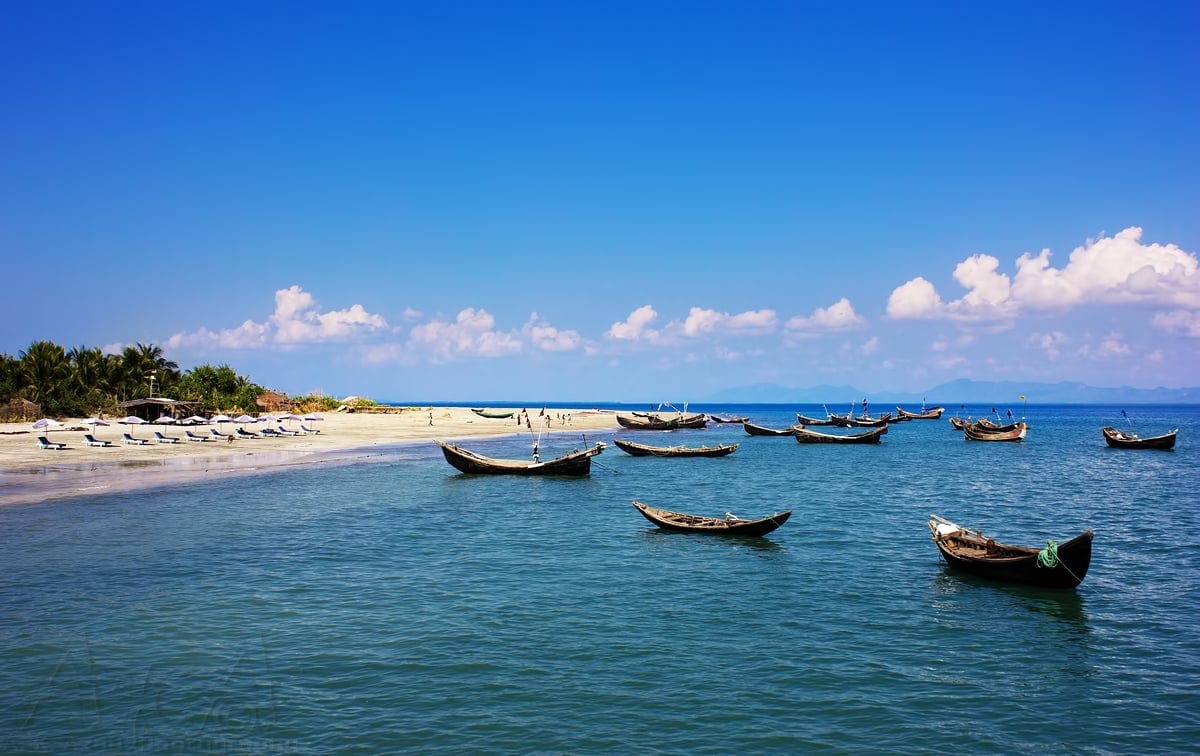
Souece: BSS
DST News: After a nine-month closure, Saint Martin’s Island will reopen to tourists tomorrow, allowing a maximum of 2,000 visitors per day to protect its fragile ecosystem and biodiversity.
To promote responsible and sustainable tourism, the government has introduced 12 new eco-friendly directives that will be strictly enforced, said Cox’s Bazar Additional Deputy Commissioner (ADC) Md Shahidul Alam.
For safety and environmental reasons, passenger vessels will now depart from Cox’s Bazar city instead of Teknaf to reach the coral island across the Bay of Bengal, he added.
Tourism activities will be permitted from November to January, while the island has remained closed since February 1 this year. According to the Department of Environment (DoE), the closure has brought noticeable improvements to the island’s biodiversity and ecological balance.
Home to over 1,000 recorded species, the island had long suffered from environmental degradation caused by unplanned infrastructure, excessive tourism, and pollution. Officials hope the new rules will help preserve its unique natural heritage.
Local residents said that in previous peak seasons, motorized vehicles like e-rickshaws and motorcycles on the beaches caused harm to marine life, including snails and clams. With tourism halted for nine months, these species have had time to recover and breed, while coral and algae collection has been suspended.
Youth Environment Society (YES) Cox’s Bazar Chairman Advocate Mujibul Haque noted that restricted tourism has led to visible improvements in the island’s ecology, with red crabs and marine life thriving again and turtles returning to nest on the beaches.
Bangladesh Tourism Board Deputy Director Mohibul Islam said that all tourists must purchase entry tickets online via the Board’s official website. Each ticket will include a travel pass and QR code, and any ticket without a QR code will be deemed invalid.
DoE Cox’s Bazar Director Md Jamir Uddin stated that the Ministry of Environment, Forest and Climate Change directives, issued on October 22, will be fully enforced to ensure protection of the island’s biodiversity.
Among the key points: only ministry-approved vessels will be allowed to operate; daily visitor numbers will be limited; overnight stays are banned in November; the island will remain closed in February; use of motorized beach vehicles is prohibited; harming coral, marine life, or wildlife is forbidden; and single-use plastics are discouraged. Tourists are advised to bring reusable water bottles.
Authorities hope that these measures will help maintain a balance between tourism and conservation, ensuring the long-term sustainability of Saint Martin’s Island.


