

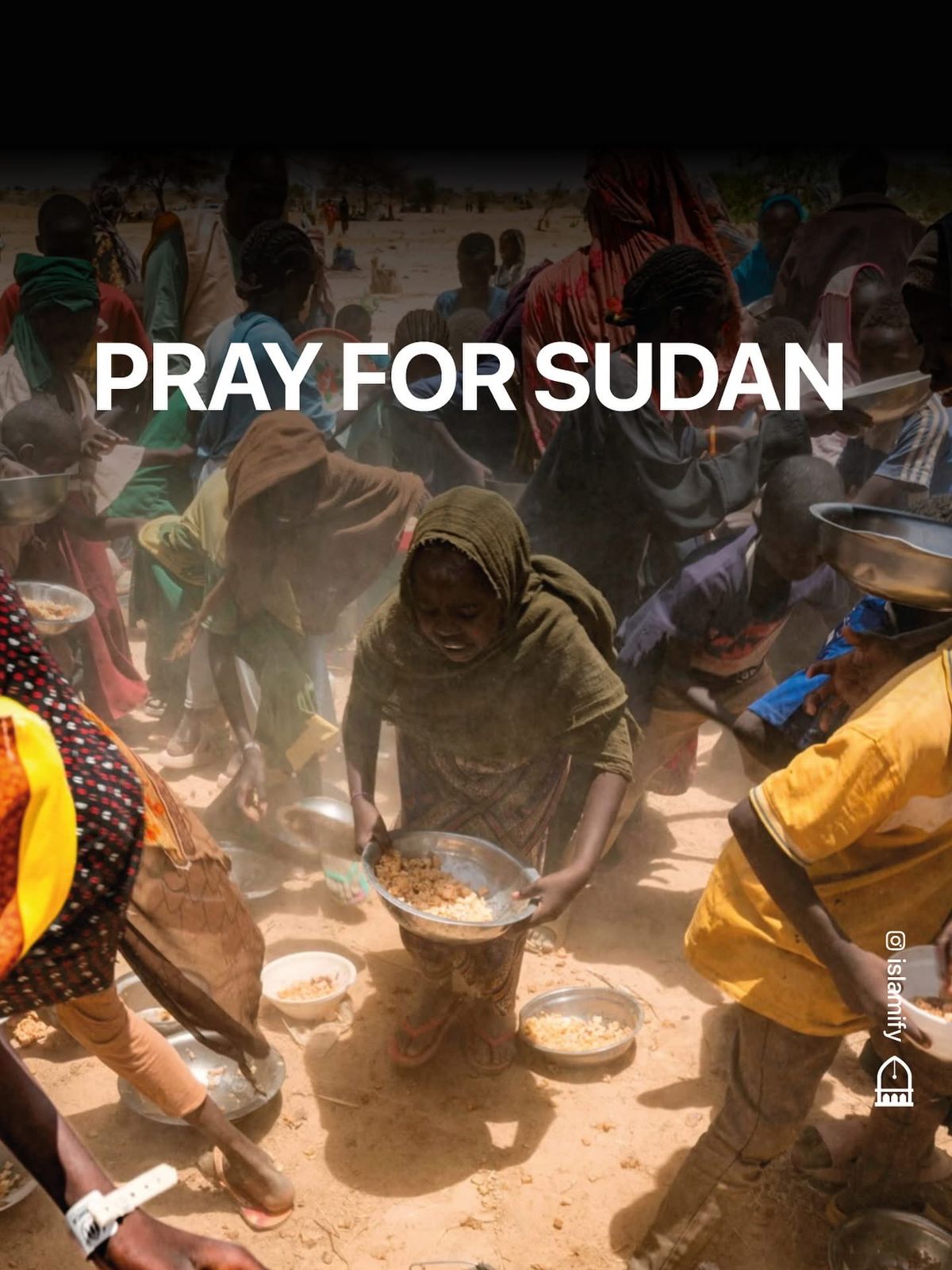
Source: AP News
DST News: The paramilitary Rapid Support Forces (RSF) have captured the entire Darfur region this week after ousting Sudan’s national army from its final stronghold, El Fasher, marking a decisive turn in the country’s devastating civil war. The conflict, which has killed more than 40,000 people and displaced over 14 million, is now driving fears that Sudan could fracture once again—nearly 15 years after South Sudan’s independence.
Led by General Mohamed Hamdan Dagalo, widely known as Hemedti, the RSF’s victory in North Darfur cements his dominance in western Sudan. The group, an Arab-led force with deep roots in the Darfur genocide of the early 2000s, emerged from the notorious Janjaweed militias that carried out mass killings and atrocities against non-Arab communities during the rule of former President Omar al-Bashir, who was later indicted for genocide by the International Criminal Court.
Originally established in 2013 to bring order to the region’s militias, the RSF quickly gained notoriety for widespread human rights abuses, including forced displacement, mass killings, and rape. Hemedti, a native of Darfur from an Arab camel-trading clan, built his influence by leveraging his family’s wealth from livestock and gold mining. Under his command, the RSF grew into a formidable force estimated at more than 100,000 fighters.
Following the fall of al-Bashir in 2019, Hemedti emerged as one of Sudan’s most powerful figures. He played key roles in both the transitional government and the subsequent military coup, which triggered a power struggle between him and army chief General Abdel-Fattah al-Burhan. That rivalry has now erupted into a full-blown civil war.
The RSF’s international ties have strengthened its military and financial power. Hemedti’s forces have fought abroad—in Yemen alongside the Saudi-led coalition and in Libya with support from the United Arab Emirates (UAE). His vast gold mining operations, many linked to markets in Dubai, have provided a crucial revenue stream. The European Union once controversially cooperated with RSF units to curb illegal migration, though it denied direct funding of the force.
The Sudanese army has accused the UAE and Libya’s warlord Khalifa Haftar of arming and funding the RSF, even filing a case against Abu Dhabi at the International Court of Justice for violating the Genocide Convention. Both countries deny the allegations. Meanwhile, foreign-supplied weapons and drones from Turkey, China, Iran, and Russia continue to fuel the conflict.
After losing its foothold in Khartoum earlier this year, the RSF regrouped in Darfur, forging new alliances and expanding its influence into neighboring Kordofan. The fall of El Fasher now gives Hemedti control over nearly all of western Sudan, positioning him to challenge the central government’s authority and potentially declare a breakaway administration.
As the RSF consolidates power, Sudan faces the risk of a new partition — with Hemedti’s forces ruling the west and Burhan’s army entrenched in the east. Analysts warn that unless international pressure mounts and regional backers withdraw support, the war could drag on, deepening famine, displacement, and the world’s worst humanitarian disaster.


