

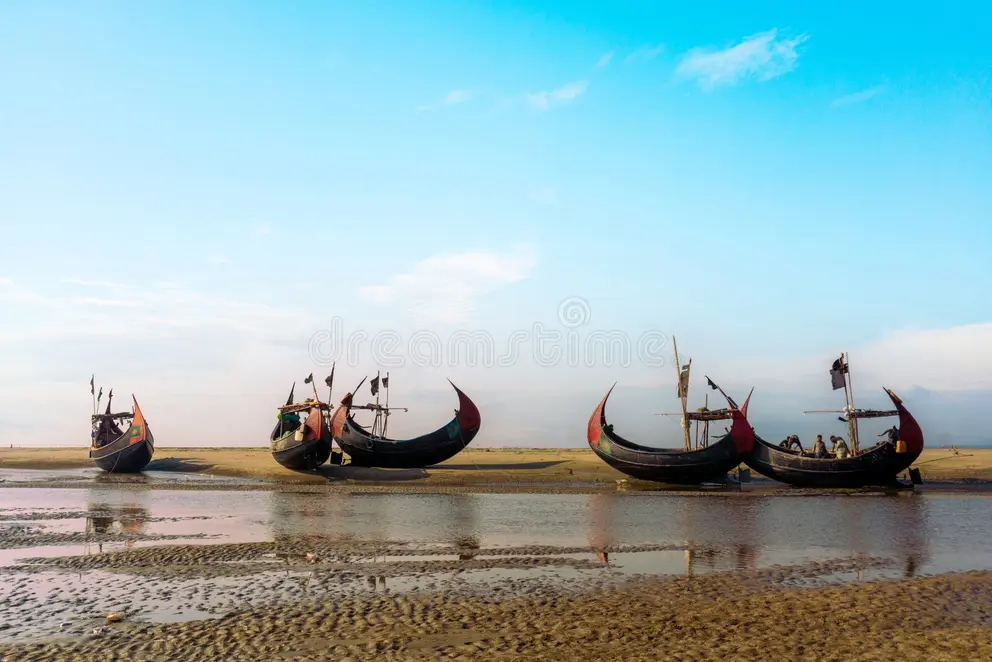
Bangladesh, the world’s largest delta, is blessed with abundant rivers, fertile plains, rich fisheries and the vast maritime resources of the Bay of Bengal. Yet, millions of people living along its coastal belt continue to face poverty, insecurity and environmental challenges. Although the sea offers enormous opportunities for economic growth through fisheries, maritime trade, tourism, offshore energy and marine research, coastal communities remain highly vulnerable to cyclones, tidal surges, river erosion, flooding and rising salinity. Bridging this gap between economic potential and human vulnerability must become a national development priority.
Climate change has intensified the difficulties of coastal life. Cyclones such as Sidr, Aila, Amphan, Yaas and Remal have destroyed homes, damaged agricultural land, contaminated freshwater sources and disrupted local economies. Many families struggle to recover from one disaster before another strikes. River erosion further aggravates the situation, forcing people to abandon ancestral homes, farmland and established livelihoods. For these communities, climate change is not a distant environmental concern; it is an everyday struggle for survival, economic security and dignity.
Access to safe drinking water remains one of the most pressing problems, particularly in Satkhira, Khulna and Bagerhat, where saline intrusion makes many traditional water sources unsuitable for domestic use. Women and children often travel long distances to collect freshwater, reducing their opportunities for education and productive activities. Meanwhile, agriculture is increasingly affected by soil salinity, waterlogging and irregular rainfall. Fishing communities also face dangerous weather, rising fuel costs, inadequate safety equipment and unfair market practices. These challenges demonstrate that coastal development must address the needs of farmers, fishermen and vulnerable households rather than focus exclusively on large-scale economic projects.
Women, children, older people and low-income families bear a disproportionate share of climate-related hardship. Disasters frequently interrupt children’s education, increase malnutrition and place additional responsibilities on women, particularly when family members lose their livelihoods or migrate elsewhere for work. Effective disaster management must therefore include accessible healthcare, adequate sanitation, safe shelters, child protection and gender-sensitive support. Emergency relief is important, but long-term rehabilitation and sustainable employment are essential to helping affected families rebuild their lives.
Climate justice is another important consideration. Bangladesh contributes relatively little to global greenhouse gas emissions but faces considerable consequences from global warming, rising sea levels and extreme weather. Wealthier industrialised nations, which have historically contributed more to emissions, should fulfil their commitments to climate finance, technology transfer and support for loss and damage. Nevertheless, international assistance must be complemented by stronger domestic planning, institutional accountability and effective investment in climate adaptation.
At the same time, the Bay of Bengal offers Bangladesh an exceptional opportunity to transform its economy through the blue economy—the sustainable use of ocean resources for economic development, employment and environmental protection. Its potential extends beyond traditional fishing to maritime transportation, port development, marine tourism, offshore energy, biotechnology and scientific research. The settlement of maritime boundary disputes with neighbouring countries has created a stronger basis for exploring and managing these resources. However, maritime rights alone cannot guarantee economic prosperity. Comprehensive marine surveys, modern technology, skilled professionals, transparent investment policies and environmental safeguards are essential to unlocking this potential.
The government should prioritise fisheries processing, modern ports, cold-storage facilities, maritime industries, marine research centres and environmentally responsible tourism in coastal areas such as Cox’s Bazar, Maheshkhali, Kutubdia, Patuakhali and Bhola. Such investment could generate employment, strengthen local economies and improve living standards. However, local communities must benefit directly from these projects through employment, vocational training and participation in decision-making. Their land rights, traditional livelihoods and access to natural resources must also be protected. Uncontrolled exploitation, marine pollution and poorly planned industrialisation could undermine the ecological foundations of the blue economy.
Building a climate-resilient coastline requires sustained investment in stronger embankments, improved drainage, cyclone shelters, early-warning systems, freshwater management and climate-resilient agriculture. Protecting mangrove forests and coastal ecosystems is equally important because they provide natural protection against storms and support biodiversity. Disaster preparedness must move beyond temporary relief towards long-term rehabilitation, livelihood restoration and community resilience.
Ultimately, Bangladesh must pursue two interconnected priorities: protecting its vulnerable coastal population and unlocking the economic potential of the Bay of Bengal. Economic growth without environmental responsibility will be unsustainable, while climate adaptation without employment and social protection will leave communities trapped in poverty. The government, private sector, research institutions and international development partners must work together to establish an integrated maritime development strategy.
The true success of the blue economy will not be measured simply by the wealth Bangladesh extracts from the Bay of Bengal, but by how effectively that wealth protects coastal communities, creates decent employment and secures a sustainable future for generations to come.