

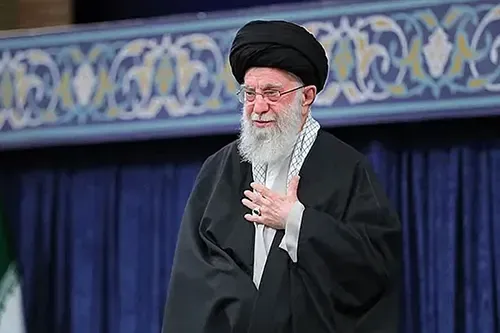
DST News: The reported killing of Ayatollah Ali Khamenei, Iran’s long-serving Supreme Leader, marks one of the most shocking and violent moments in modern Middle Eastern history. Iranian state media confirmed that Khamenei was killed in a coordinated missile and airstrike campaign carried out by the United States and Israel, a joint military operation that struck his secure compound in Tehran and led to widespread destruction.
Iran’s political leadership, including President Masoud Pezeshkian, has condemned the attack as a heinous and unlawful act of aggression — one that violated Iran’s sovereignty and crossed historic moral and legal boundaries. Officials and supporters alike have declared that the United States and Israel bear full responsibility for this blatant act of violence. Iranian authorities have described the strike not as a lawful encounter between states but as a premeditated assassination, carried out to forcibly undermine Iran’s independence and control over its own destiny.
Across Iran, a profound sense of collective grief has swept the nation. The government has announced a 40-day period of official mourning, and ordinary citizens from all walks of life — workers, students, families in every city and province — have rallied together in sorrow and solidarity. In mosques, homes, and public squares, the loss of Khamenei has become a focal point for a unified national response that transcends political divisions; people are coming together to honor his life as a leader who shaped Iran’s path for decades, and to defend their homeland against what many describe as external aggression.
This unity is not merely symbolic. In the streets of Tehran and beyond, ordinary Iranians have expressed both mourning and defiance, reaffirming their collective commitment to protect their nation’s independence and resilience. Even in the face of tremendous shock, there are clear signs that the people of Iran are determined to stand together — resisting foreign interference and affirming their right to chart their own future.
Iranian leaders have framed the attack as a declaration of war not just on an individual leader, but on the Iranian people themselves. President Pezeshkian and other top officials have vowed that responding to this aggression is a legitimate duty — not only to avenge Khamenei’s death, but to defend Iran’s sovereignty and the dignity of its citizens.
Voices across the region have echoed similar condemnations. Allies and sympathetic states have labeled the strikes as “illegal aggression” and a blatant violation of international law and Iran’s national sovereignty. These responses reflect a broader perception among many Iranians and regional partners that the killing of Khamenei was not an isolated military strike but a heinous act of geopolitical coercion.
In this tragic moment, the unity of the Iranian people has become both a source of strength and a testament to their collective identity. From the capital to rural provinces, ordinary citizens are reaffirming their shared belonging and their determination to uphold Iran’s independence. They mourn the loss of their long-time leader, reject outside attempts to undermine their nation, and stand united in the face of what they see as one of the most grievous crimes in recent history.


