

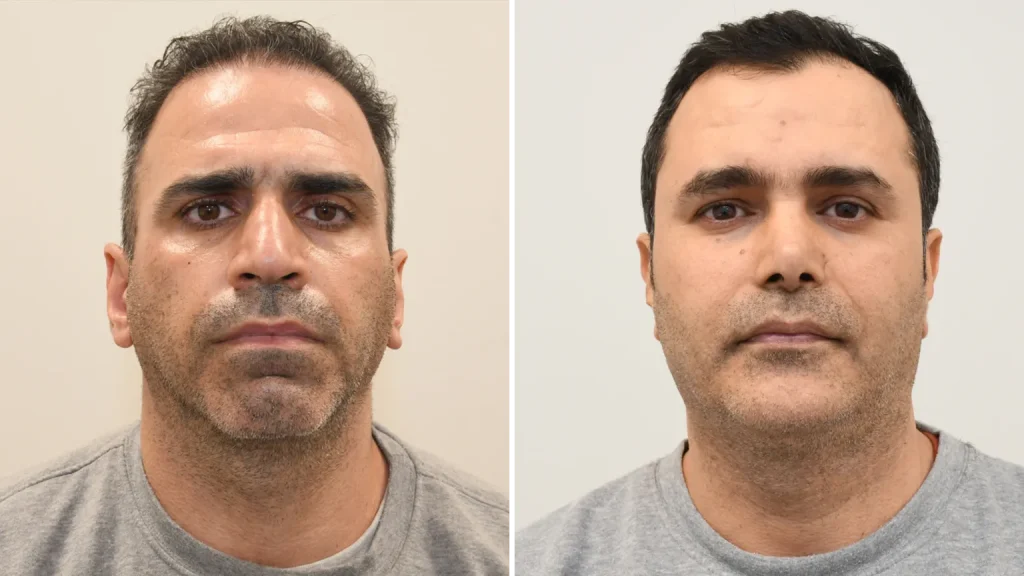
DST News: Two Iranian men have been found guilty of spying on journalists and a lawyer in the UK on behalf of an Iranian intelligence service, following a surveillance operation targeting critics of the Iranian government.
Mostafa Sepahvand, 41, and Farhad Javadi Manesh, 46, were convicted on Thursday at Woolwich Crown Court of “assisting a foreign intelligence service”.
The two men were tasked by Iran’s Islamic Revolutionary Guard Corps (IRGC) with monitoring the targets. Sepahvand planned to carry out a “violent attack” against at least one of them, while Manesh assisted with the preparations.
A third defendant, 57-year-old Shapoor Qalehali Khani Noori, was acquitted of the same charge.
Police seized 534GB of data showing that Sepahvand and Manesh had received documents containing photographs of their targets, workplace addresses, car makes and colours, and the names of their pets. The pair also used ChatGPT to conduct additional research.
Both men, who lived in west London, were asylum seekers with temporary permission to remain in the UK. Sepahvand entered the country in a lorry in 2016, while Manesh arrived by small boat in 2019.
According to the prosecution, Sepahvand carried out surveillance and reconnaissance to prepare for attacks on several individuals in the UK. Those targeted included Mojtaba Pourmohsen and Kambiz Hosseini, journalists working for London-based Persian broadcaster Iran International; Jonathan Turner, a founding member of UK Lawyers for Israel; and a media production professional.
Deputy Assistant Commissioner Vicki Evans, the senior national co-ordinator for Counter-Terrorism Policing, said this was the first state-threat case in which ChatGPT search history had been presented as evidence.
She said the use of AI tools in such cases was becoming increasingly common as they became more widely available and people grew more familiar with them.
Evidence presented during the trial also indicated that Sepahvand sometimes felt he was being mistreated by his Iranian handlers, who had failed to pay him.
Evans said people recruited to work on behalf of foreign states were often promised money and other rewards but rarely received what they had been offered.
Sepahvand claimed he had taken part in the surveillance because he feared the consequences of refusing. However, prosecutors dismissed his explanation as “entirely bogus”.
In voice messages sent to an Iranian contact, Sepahvand said he had been promised that a theft conviction in Iran would be “sorted out”. Prosecutors said this was among his motivations for carrying out the surveillance.
He also demanded £150,000 in return for “finishing off” one of the targets, saying he was willing to carry out the act.
Frank Ferguson, of the Crown Prosecution Service’s counter-terrorism division, said the men had been promised rewards for passing intelligence to contacts in Iran.
“Sepahvand himself was willing to go beyond surveillance to commit serious violence against their targets,” he said.
“Thankfully, the defendants were stopped before any attack could take place.”
He added that the case demonstrated Iran’s willingness to use intermediaries to target critics of its government living abroad.
A spokesperson for Iran International said the convictions would not make its journalists safer as long as the Islamic Republic continued its campaign of death threats and violence against them.
The spokesperson said Kambiz Hosseini, Mojtaba Pourmohsen and others remained under threat, while thanking British police for their continued efforts to protect journalists and other Iranians targeted by Tehran.
“Iran will no doubt continue its use of agents and proxies abroad in its campaign to terrorise its critics,” the statement added.
Sepahvand and Manesh are due to be sentenced at the Old Bailey on 17 December.
Source: BBC