

Source: BBC
DST’s Reports:
Ultrasound has long been used by doctors to look inside the human body, but recent advances show that focused, high-frequency sound waves could also be used to fight cancer in new and non-invasive ways.
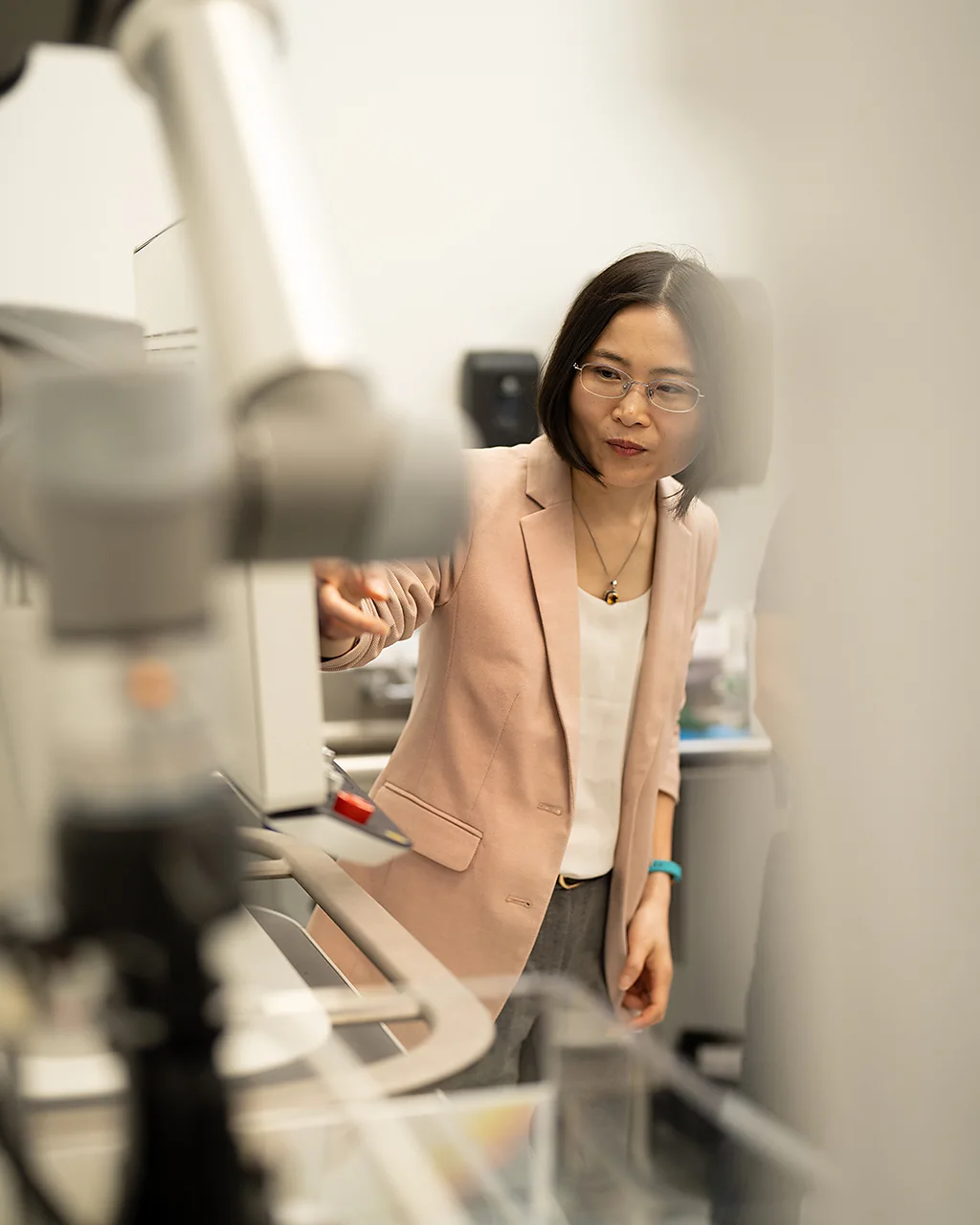
Zhen Xu’s groundbreaking discovery came almost by accident. As a PhD student in biomedical engineering at the University of Michigan in the early 2000s, she was researching ways to destroy diseased tissue without surgery. She experimented with using high-frequency ultrasound waves to break up tissue and tested her idea on pig hearts.
Her experiments, however, were so loud that her lab colleagues complained. To reduce the noise, Xu decided to increase the pulse rate of the ultrasound so that the sound would rise above the range of human hearing. To her surprise, the change made the ultrasound far more effective. Within a minute, a visible hole appeared in the pig heart tissue. “I thought I was dreaming,” says Xu, now a professor at the University of Michigan.
This unexpected breakthrough led to the development of histotripsy, a new ultrasound-based technique that uses sound waves to destroy tumours without surgery. Approved by the US Food and Drug Administration (FDA) in October 2023 for treating liver cancer, histotripsy is showing promising results. A small 2024 study funded by HistoSonics, the company commercializing the technology, reported a 95% success rate in targeting liver tumours. Although mild side effects like pain or internal bleeding can occur, serious complications are rare.
In June 2025, the UK became the first European country to approve histotripsy, offering it through the NHS under a pilot program for innovative medical devices.
“People usually associate ultrasound with imaging,” says Dr. Julie Earl of Spain’s Ramón y Cajal Institute for Health Research. “But growing evidence shows it can also destroy tumours, slow metastatic cancer, and enhance other treatments — all without surgery.”
How Histotripsy Works
Traditional ultrasound imaging uses high-frequency sound waves to create pictures of internal organs. In cancer therapy, these waves are concentrated into a small focal point within a tumor. The sound waves generate microscopic bubbles that rapidly expand and collapse, tearing the tumor apart. The body’s immune system then removes the destroyed cells naturally.
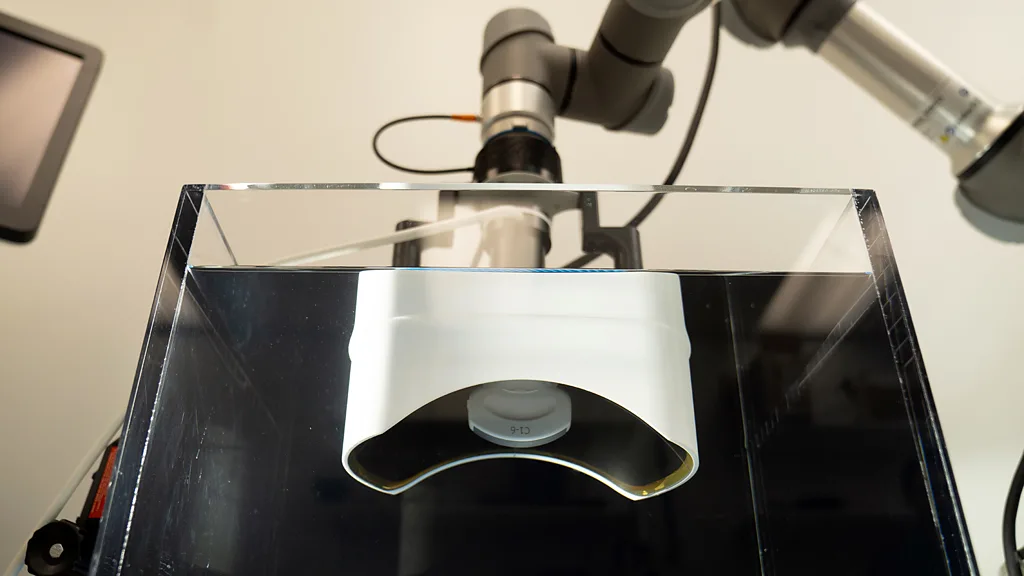
In liver cancer treatment, histotripsy focuses ultrasound energy on an area about two by four millimeters — “the tip of a coloring pen,” says Xu. A robotic arm precisely guides the device over the tumor. Most treatments last between one and three hours, and patients can typically go home the same day.
While the method shows great promise, scientists are still studying its long-term effects. It’s unclear whether cancers can recur after histotripsy, or whether breaking up tumors inside the body could risk spreading cancer cells elsewhere — though animal studies haven’t supported that concern so far. Moreover, the technique may not work in all cases: bones and air-filled organs like lungs can block the ultrasound waves.
Cooking Cancers with Sound
Histotripsy isn’t the first ultrasound-based cancer treatment. High-Intensity Focused Ultrasound (HIFU), an older technology, destroys tumors by heating them. “It’s like using a magnifying glass to focus sunlight and burn a leaf,” explains Professor Richard Price of the University of Virginia.
HIFU is widely used for treating prostate cancer and can be as effective as surgery, but it often causes fewer complications and allows faster recovery. Unlike HIFU, histotripsy does not use heat, meaning it is less likely to damage surrounding healthy tissues.
However, like histotripsy, HIFU also has limitations. It can’t effectively target tumors blocked by bone or gas, and it’s unsuitable for cancers that have already spread throughout the body.
Ultrasound Combined with Other Treatments
Researchers are also exploring how ultrasound can enhance other cancer therapies. Injecting microbubbles into the bloodstream and activating them with ultrasound can temporarily open the blood-brain barrier, allowing drugs to reach brain tumors that are otherwise inaccessible.
Dr. Deepa Sharma of Canada’s Sunnybrook Health Sciences Centre says this approach may also boost drug delivery in other cancers. Her studies suggest that ultrasound-enhanced microbubbles can make radiation therapy more effective by damaging tumor blood vessels, potentially allowing lower doses of toxic treatments like chemotherapy and radiation.
Ultrasound may also strengthen immunotherapy, which trains the immune system to attack cancer. By breaking up tumors, ultrasound can expose hidden cancer cells, helping the immune system recognize and destroy them. Price believes that in the future, treating one tumor with ultrasound might trigger an immune response strong enough to attack cancer throughout the body — though this remains theoretical.
While these experimental therapies are still in early stages, ultrasound is already transforming cancer care. It offers a future where patients could avoid painful and invasive treatments like surgery and chemotherapy.
“Cancer is devastating,” Xu says. “But what makes it even worse is how we treat it. Ultrasound isn’t a miracle cure, but it could help patients suffer less — and that’s what matters most.”


