

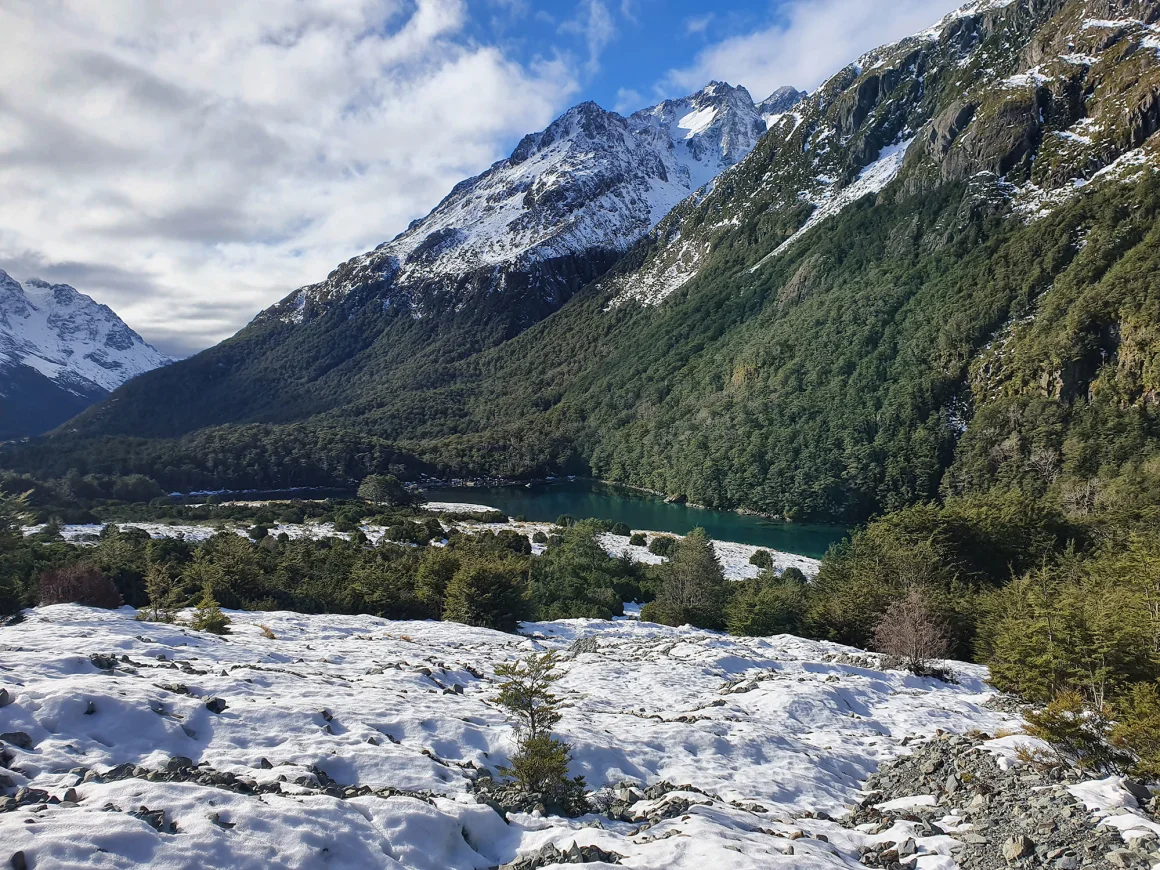
DST News: Deep in New Zealand’s Nelson Lakes National Park, about 1,200 meters above sea level and a two-day hike from the nearest settlement, lies Rotomairewhenua, also known as Blue Lake. Surrounded by steep alpine forests and fed by glacial waters, the lake is renowned not only for its striking blue-violet hue but also for its extraordinary clarity. Scientists have measured visibility between 70 and 80 meters, making it the clearest freshwater lake ever recorded.
The lake is sacred to the Ngāti Apa, the local Māori tribe, who named it Rotomairewhenua, meaning “the lake of peaceful lands.” For generations, the site was used for ritual cleansing of bones, ensuring safe passage of spirits to the ancestral Māori homeland. While those practices no longer take place, the lake remains a spiritual and cultural touchstone for the iwi.
In recent years, social media attention has brought a surge of hikers to this remote spot, raising concerns among conservationists. The biggest threat is lindavia, a microscopic alga known as “lake snow” or “lake snot.” Already present in lakes downstream, lindavia can attach to boots, clothing, or equipment, and even a tiny droplet could irreversibly change Rotomairewhenua’s ecosystem. While harmless to humans, the alga produces mucilage that can clog machinery, harm water quality, and obscure the lake’s extraordinary clarity.
Visitors are now urged to clean their shoes and gear after visiting other lakes and to avoid touching the water in any way, whether swimming, rinsing equipment, or dipping a camera for underwater shots. These precautions protect both the ecology and the sacred nature of the site. During peak season, a warden stays at the lake hut to guide hikers on the biosecurity risks and the cultural importance of Rotomairewhenua.
Despite these challenges, conservationists remain hopeful. The lake’s remote location along steep trails—often part of two- or seven-day circuits or the Te Araroa long-distance trail—offers some natural protection against human impact. Department of Conservation biodiversity ranger Melissa Griffin notes that while increased visitation has brought logistical challenges, such as more frequent waste management, it also offers an opportunity for people to connect with nature responsibly.
Ngāti Apa ecologist Jen Skilton emphasizes the dual responsibility of visitors: “The growing number of visitors brings both opportunity and responsibility. It is crucial that all who visit understand the significance of this place and take the necessary steps to minimize their impact. By following the rules and guidelines, we can protect the lake’s unique ecological features and safeguard its cultural importance for future generations.”
Rotomairewhenua remains a rare and fragile treasure, a place where environmental stewardship and cultural respect must go hand in hand. Visitors are reminded that every precaution they take—cleaning boots, leaving the water untouched, and respecting the sacred nature of the site—helps preserve one of the planet’s most extraordinary natural wonders.
Source: CNN


