

Source: BBC (Re-written and Edited)
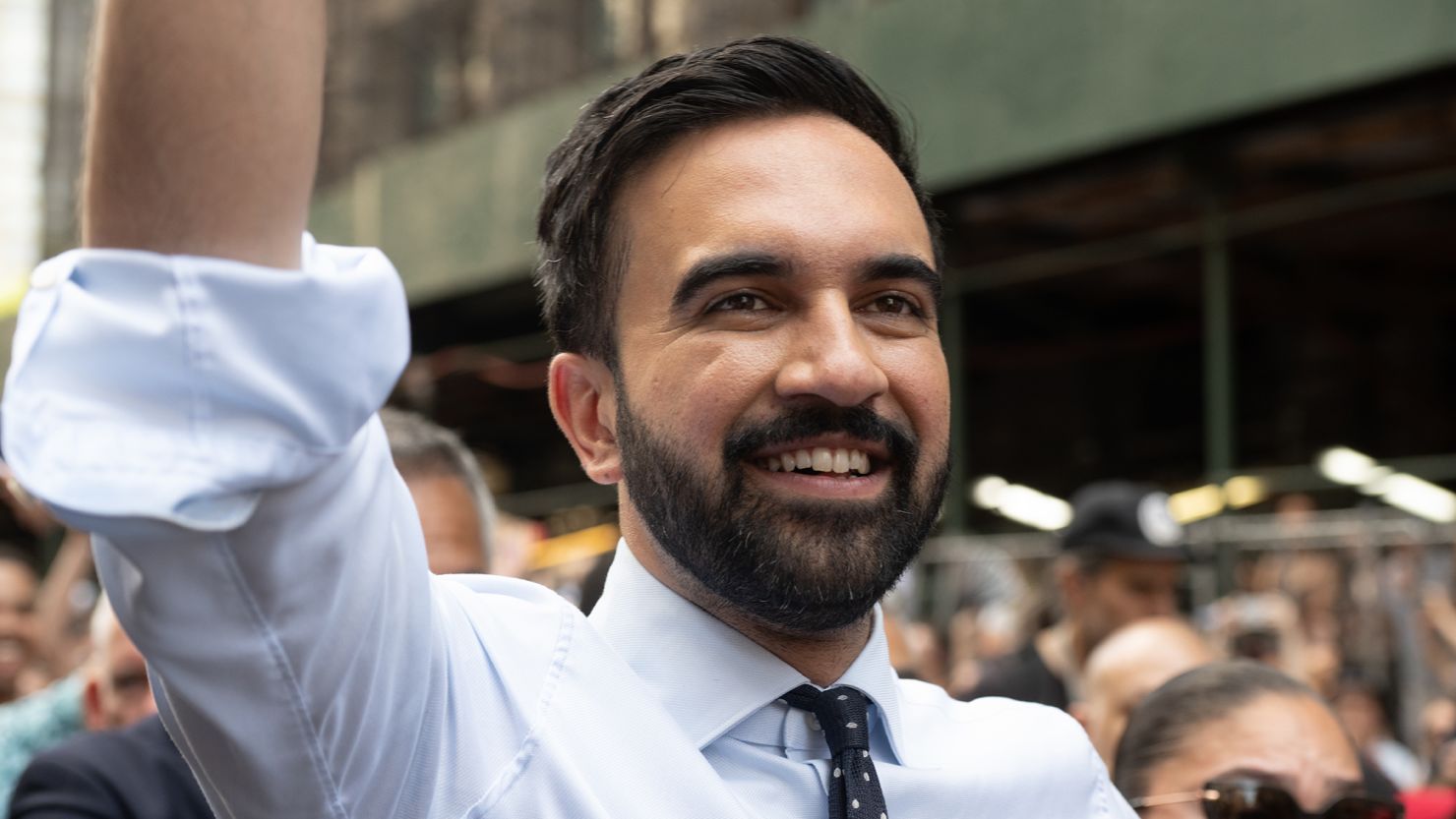
DST News: Zohran Mamdani has made history as the newly elected mayor of New York City. At just 32, he is set to become the youngest mayor since the 19th century, the city’s first Muslim mayor, and the first mayor born in Africa, marking a milestone moment in the city’s diverse political story.
Mamdani began his campaign as a relative unknown, lacking financial backing and major party support. His victory over former New York Governor Andrew Cuomo and Republican candidate Curtis Sliwa was, therefore, not only unexpected but transformative. It represents the rise of a new kind of political figure — one that progressive Democrats have long hoped to see.
With strong communication skills, comfort across social media platforms, and an identity that reflects the diversity of the Democratic Party’s base, Mamdani has energized young voters and left-leaning activists. He has openly supported progressive policies like expanded child care, improved public transit, and greater government involvement in economic systems. At the same time, he has spoken directly to bread-and-butter economic concerns affecting working-class communities — a group that has shifted away from Democrats in recent years.
Still, critics on the right — and some moderates — argue that Mamdani’s politics are too far left to appeal nationally. Republicans have been eager to brand him as the face of “socialist politics.” Yet on Election Night, that strategy failed in New York City.
His triumph over Cuomo, a figure closely associated with the Democratic establishment, was particularly symbolic. For many progressives, it was seen as a rejection of traditional party power and a call for new leadership.
However, winning the election is only the beginning. Mamdani now steps into an office that carries high expectations and limited authority. His predecessor, Bill de Blasio, also entered office promising bold progressive reform, only to leave with a mixed legacy after struggling to turn vision into policy.
Mamdani may face similar constraints. Governor Kathy Hochul has already pushed back against the tax increases needed to support some of his proposed programs. And despite campaigning against New York’s corporate and financial elite, he will need to negotiate with them to govern effectively — something he has already begun doing quietly.
Mamdani has also taken outspoken positions on global issues, including the Gaza conflict, going so far as to state that Israeli Prime Minister Benjamin Netanyahu should be arrested as a war criminal if he enters the city. Such declarations may resurface and challenge his administration later.
For now, Mamdani has an opportunity to define himself before his opponents do. Many Americans are still unfamiliar with him — a recent poll showed nearly half of respondents paid little attention to the mayoral election. This gives him space to build his image, but also leaves room for critics to shape perceptions quickly.
Former President Donald Trump, who maintains close ties to New York, will almost certainly engage in political confrontation with Mamdani, giving the mayor a larger national platform, but also heightening scrutiny.
Meanwhile, other Democratic candidates across the country also performed well in recent state elections, including in New Jersey and Virginia, suggesting that voters remain responsive to messages focused on affordability and economic stability rather than ideological extremes.
Mamdani himself has said that the Democratic Party must be broad enough to represent a full range of voices — not just those at the center of political power.
“The party should reflect the people it serves, especially working-class Americans,” he argued last week.
In the coming year, that belief will be tested. Internal party divisions are likely to re-emerge as Democrats prepare for upcoming congressional primaries.
But for now, on this historic night, Democrats are celebrating — and Mamdani stands at the center of a new chapter in New York’s political story.


