

Source: BBC (Re-written and Edited)
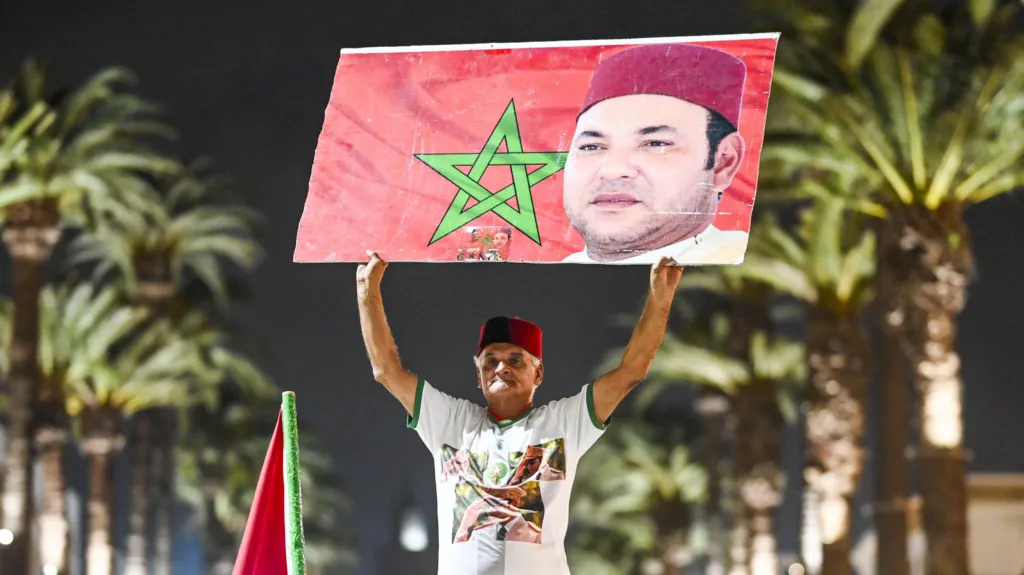
DST News: Morocco has announced that 31 October will be observed as a national holiday following the UN Security Council’s approval of its proposal to grant limited autonomy to Western Sahara under Moroccan sovereignty.
The holiday, now officially called Unity Day, will commemorate what the Moroccan royal palace described as a reaffirmation of the country’s “national unity and territorial integrity.”
On Friday, the UN Security Council passed a resolution recognizing Morocco’s autonomy initiative as the “most realistic and achievable” path toward resolving the decades-long dispute over Western Sahara. The conflict has persisted for nearly 50 years, rooted in competing claims between Morocco and the Polisario Front, a Sahrawi independence movement backed by Algeria.
Morocco controls most of Western Sahara today, while areas in the interior continue to be held by the Polisario Front, which maintains its calls for a fully independent Sahrawi state.
The US led the push for the UN resolution, bringing support from 11 member states. The measure also extended the mandate of the UN peacekeeping mission in the region, MINURSO, for another year. However, the vote exposed geopolitical divides: Russia, China, and Pakistan abstained, while Algeria voted against.
Western Sahara — a vast desert territory about 100,000 square miles (260,000 sq km) in size — was colonized by Spain until 1975. Morocco annexed the region soon after, sparking conflict with the Polisario Front. Heavy fighting in the 1970s and 1980s eventually gave way to ceasefires in the 1990s, but no lasting political settlement was achieved.
The African Union continues to recognize Western Sahara’s independence, but in recent years Morocco has gained diplomatic ground. Countries including the United States, the United Kingdom, Spain, France, Germany, and the Netherlands have expressed varying degrees of support for Rabat’s autonomy plan.
Despite repeated UN negotiations, a long-promised referendum on self-determination has never been held, largely due to disagreements over who would be eligible to vote.
As Morocco marks the new national holiday, the underlying dispute remains unresolved — even as the latest UN decision provides Rabat with a significant diplomatic victory and shifts the tone of one of Africa’s longest-running territorial conflicts.


